
Start with the role, rather than the advertising channel
You may need a crop worker, mechanic or team leader. Before launching a campaign, establish what that person will actually do. Discuss a working day with the manager and a colleague: which tasks are independent, where is support available and what can be learned on the job?
Distinguish essential experience from preferences. A long requirements list may exclude people who could learn the role with support. Describe skills relevant to the job and explain why they matter. Both candidates and your own team then have a useful, consistent picture of the vacancy.
Make the offer specific and honest
Candidates need to assess whether the practical arrangements fit. State the location, hours, working times, contract possibilities and conditions you can genuinely offer. Include shift patterns or physical tasks where relevant. Have HR check that the terms are current and accurate.
Replace general phrases with examples. Rather than only describing a friendly team, show who helps new colleagues and how people work together. Explain what development opportunities mean in practice. The impression created during recruitment should match what someone encounters on their first day.
Show the actual workplace
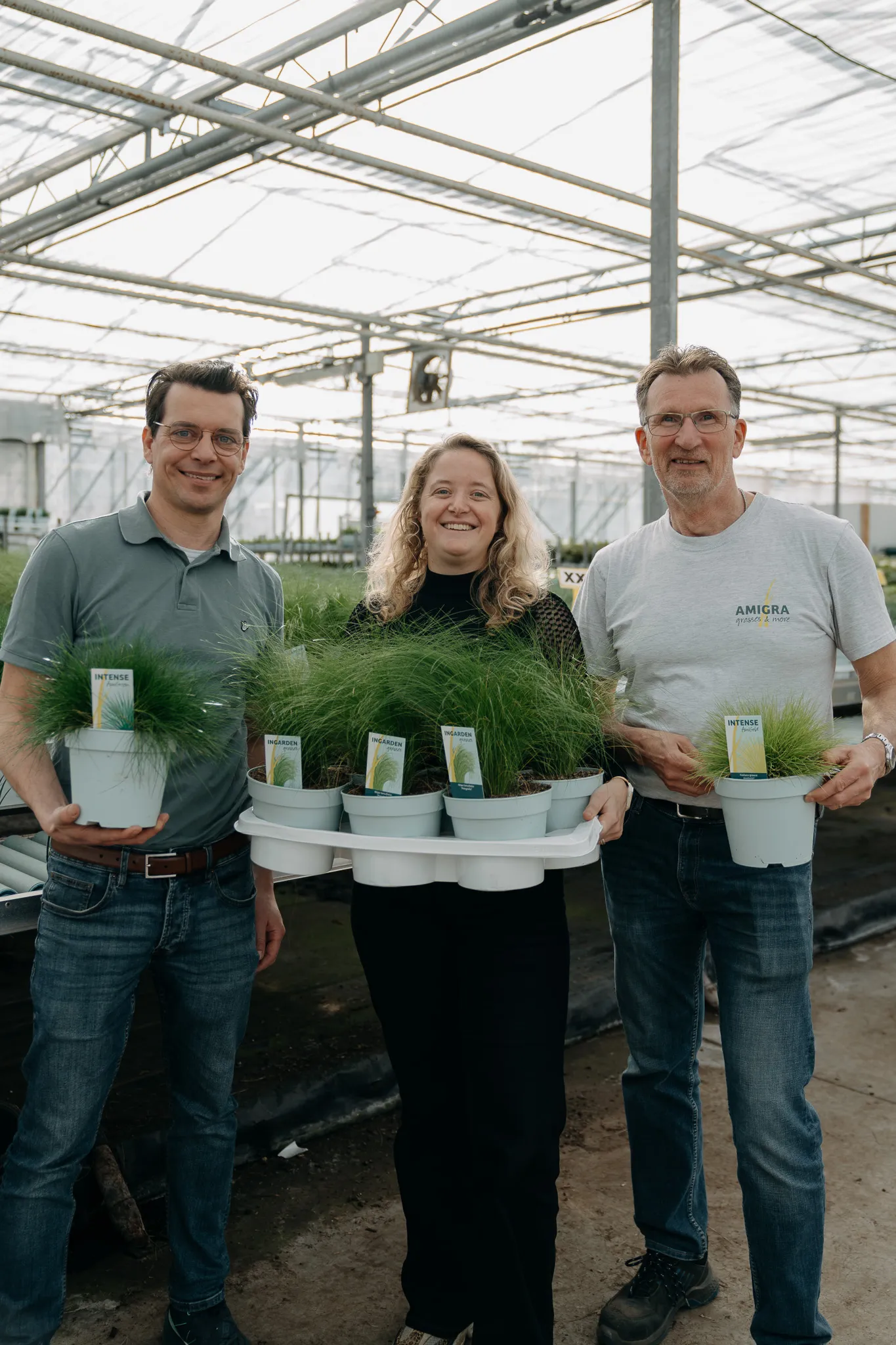
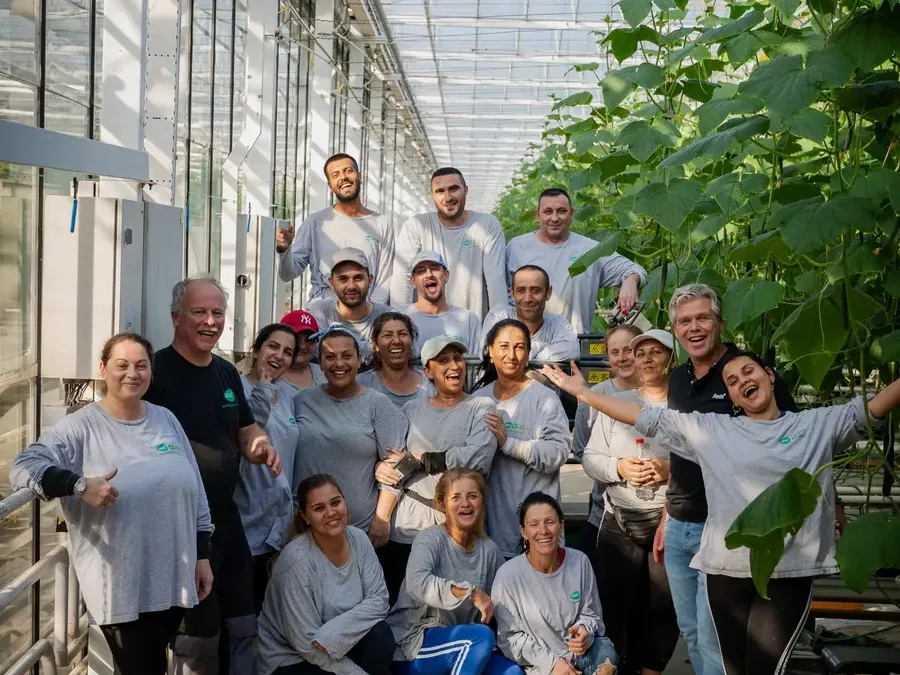
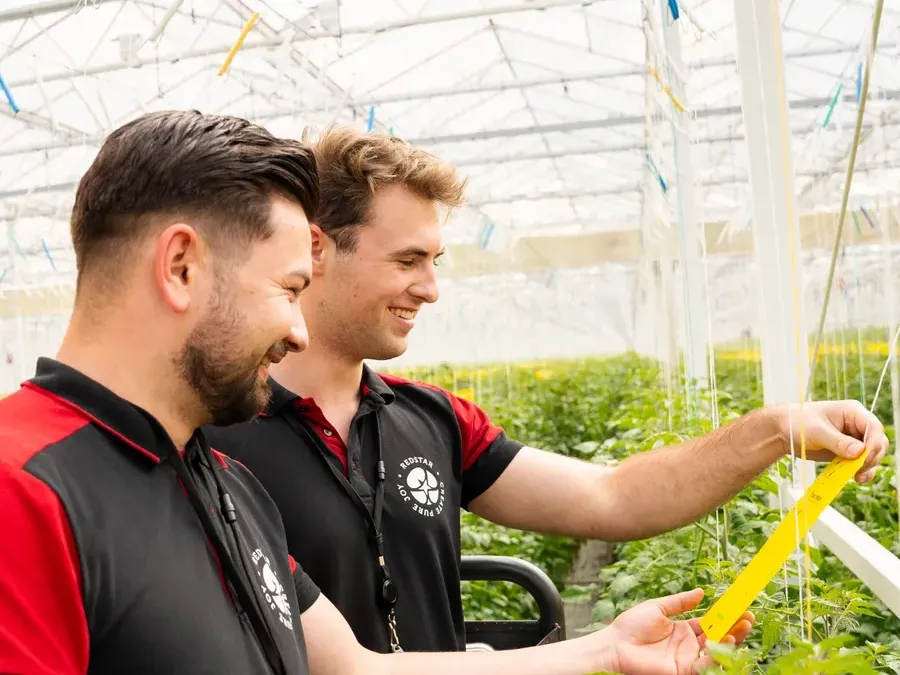
Use photographs and short videos of real people, tasks and surroundings. Let an employee describe the work or demonstrate a recognisable activity. Candidates should not need prior knowledge of your greenhouse or equipment to understand the essential expectations.
Choose a clear subject and make spoken explanations understandable without sound. Obtain permission from recognisable people. Your employer story need not become a major film production. Accuracy and relevance to the specific role matter more than elaborate production.
What does this mean for your business?
Discuss your vacancyChoose reach that suits the vacancy
Job boards, employee networks, educational contacts and social advertising can each play a part. Examine where previous suitable applicants came from and whom you are currently missing. A permanent specialist role may need a different explanation and planning horizon from temporary peak-period support.
For social campaigns, location, creative and the response process all influence relevance. Base your selection and communication on the work. Do not choose audiences using personal characteristics unrelated to the job. Check current advertising rules before publishing an employment campaign.
Make responding and following up straightforward
Initially, request the information needed for a first conversation. A name, contact details and a few job-related questions may be enough to begin. Explain who will contact the applicant and what happens next. Check forms and contact buttons on a phone.
Agree who handles responses and who covers absences. A submitted form is not yet an interview. Record contact attempts, appointments and outcomes so candidates do not disappear between email, phone calls and colleagues. Their questions can reveal gaps in the vacancy information.
Assess the whole route to a new colleague
Measure more than response volume. Consider how many candidates are reachable, meet the relevant criteria and attend an introduction. Discuss reasons for progression or rejection with the manager. That feedback improves campaign content instead of making additional spend the automatic response to every problem.
At Wesstein Plants, a two-month campaign generated 21 candidates and three interviews. The company hired a cultivation manager and an additional crop worker. Horti Online supports positioning, content and campaigns; your business conducts interviews and remains the employer. Discuss your vacancy to explore a suitable approach.