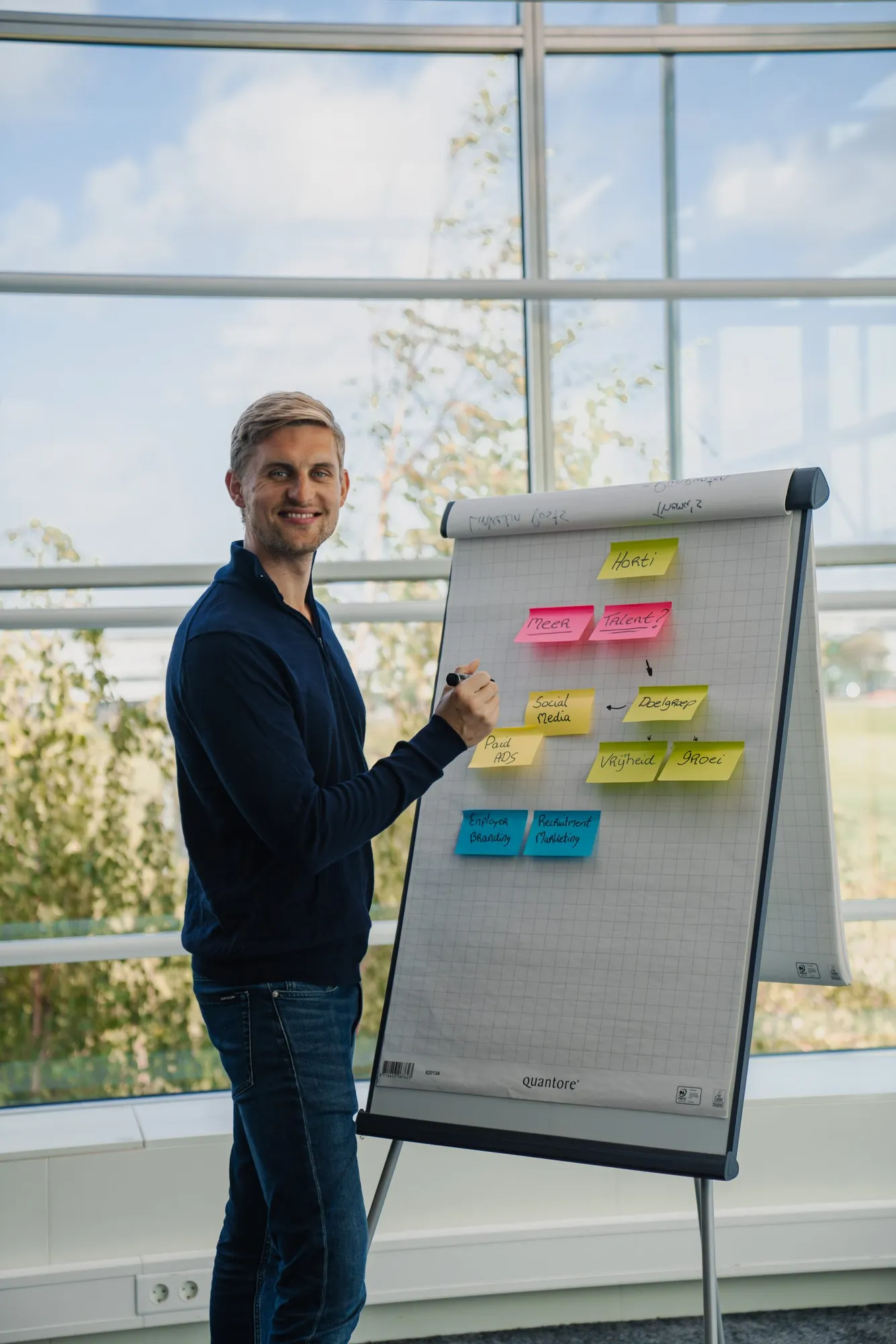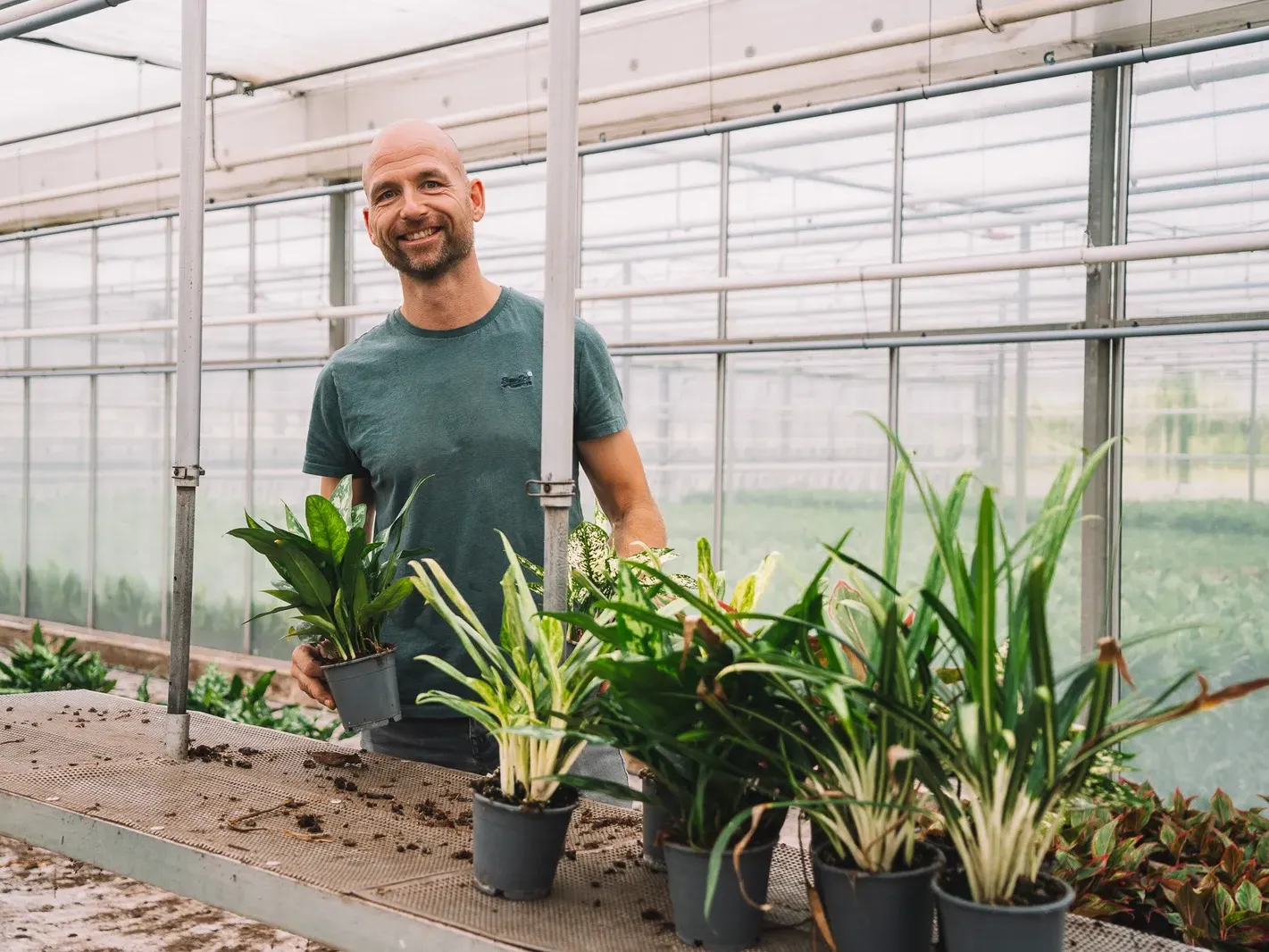
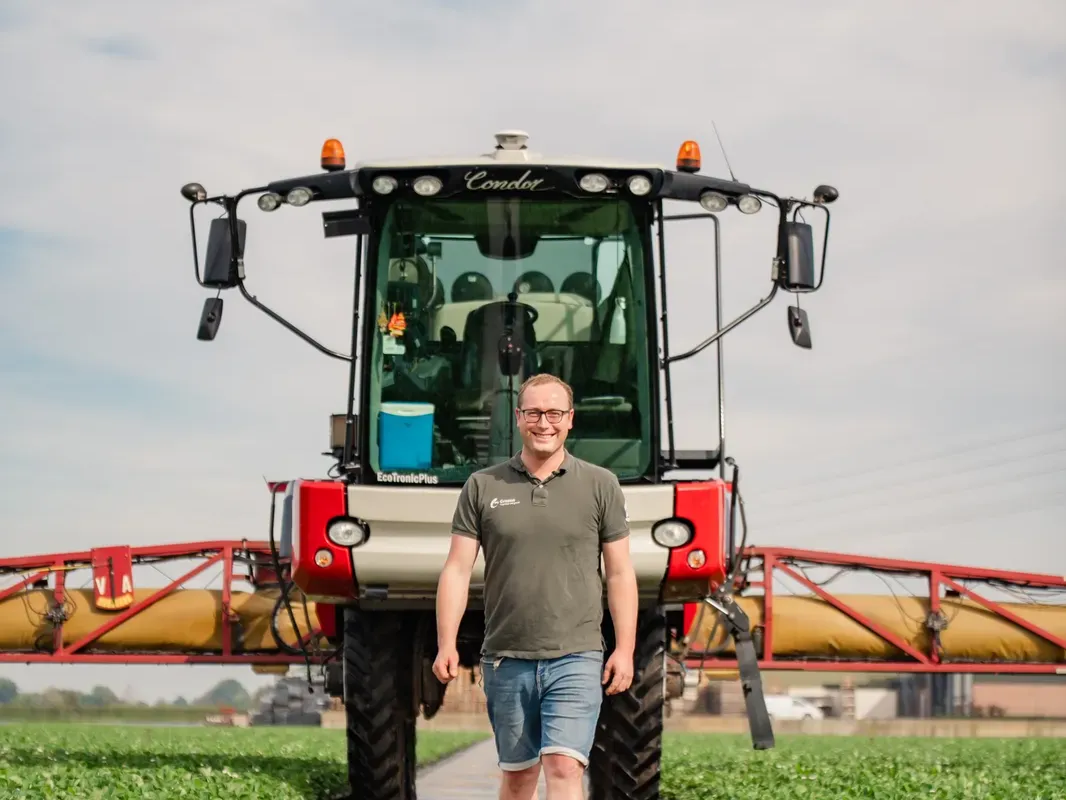
Start with the question you want to answer
A nursery's video needs depend on the viewer. A buyer might want to understand pot size, delivery period and application. A potential colleague wants to see the responsibilities and team. A broad company presentation can add context without necessarily answering those more specific questions.
Define one audience and one main question for each video. Consider where it will be shown and what the viewer should do next. This gives you a basis for selecting a useful format. The aim is not to choose a type that supposedly performs best everywhere, but to add information to the story your business needs to tell.
Product video: show what matters to the buyer
Product footage can clarify size, colour, structure and use. Show the details that matter to your customer. A range overview serves a different purpose from a close-up of young plants. Explain relevant characteristics rather than showing only the most attractive angle.
Tell viewers where to find current availability and ordering information. Frequently changing details can live on an updated page instead of being fixed in the edit. A video supports assessment; it does not automatically replace a sample, specification sheet or conversation about the buyer's quality requirements.
Behind the scenes: explain the process
Propagation, grading, packaging and crop checks can show how the business operates. Select a process that answers a real question. Why is a product packed this way? Which check takes place before dispatch? Add enough explanation for a viewer outside your business to understand the significance.
Some footage may also help recruitment, but candidates ask different questions from customers. Create a version focused on responsibilities, cooperation and conditions. One recording can have several uses without forcing one message to serve every audience. Plan these uses before filming so that the necessary details are captured on site.
What does this mean for your business?
Ask Ricardo your questionEmployee stories: make responsibilities tangible
An employee can describe a task, explain how they learned a skill or discuss what makes a normal working day interesting. Choose questions that match the role or subject. Concrete explanations give the viewer more information than broad statements about being a friendly company with an enthusiastic team.
Explain the purpose and intended use to the person appearing. Allow enough time and let them use their own words. Afterwards, check the information and whether the edit fairly represents what was said. One thoughtful conversation may provide several useful topics without needing to promise a fixed number of clips in advance.
Overview footage: use it when it adds information
A wide view of the greenhouse or site can explain layout and scale. Drone footage may serve that purpose, but it is not a necessary stage in every production. A clear view from the working area may show more of what a buyer or candidate actually wants to know.
For aerial filming, discuss the location, safety and practical possibilities with a qualified operator who can assess the applicable conditions. Then select footage you can use meaningfully. A dramatic flight unrelated to the message cannot replace useful product detail or a person's explanation of the work.
Plan versions, rights and maintenance
Identify the intended placements: website, presentation, social post or advert. These determine framing, text and subtitle requirements. Check readability on the final screen. Agree how music, people on camera, reuse and revisions will be handled so that the scope of the material is clear.
Assign someone to check whether the information remains current. Products, buildings and roles can change. Publishing frequency should reflect the stories and capacity available; there is no required number of videos per week. Accurate material used properly is more useful than meeting a schedule with content that lacks a purpose.
Review how people use and respond to the videos
Ask sales or HR whether the material helps their conversations. Look at the questions viewers ask afterwards and whether they use the contact route. Viewing time can offer clues about the explanation, but a large view count does not establish a commercial outcome. Also track suitable enquiries and discussions.
Horti Online helps nurseries make video part of strategy, content and campaigns. To decide what to produce first, start with the questions your buyers or future colleagues need answered. That creates a production brief grounded in the practical needs of your business.