
Connect video to a business objective
A plant company may use video to reach new buyers, inform existing customers, develop awareness or recruit staff. Decide which question matters now. Greater awareness is different from more sales conversations, and both require a different assessment from a vacancy campaign. Do not combine these goals under one unexplained result.
Describe the desired change specifically. You might want more discussions with garden centres about a new range, or to help candidates understand logistics work. Identify who can act on the response. Without that connection, video can remain a production project rather than becoming part of marketing, sales or recruitment.
Gather questions from customers and colleagues
Ask sales which topics recur in conversations: product quality, delivery options, packaging or ordering a new line, for instance. Ask HR about candidate expectations and information that is repeatedly unclear. These practical questions provide a useful foundation for the content you make.
Group them by audience and relevance over time. An explanation of ordering may remain useful longer than a seasonal range presentation. A consumer care tip may have little relevance to a trade buyer. Making that distinction early prevents a library of disconnected videos that each attempt to do something different.
Plan several focused stories from a filming visit
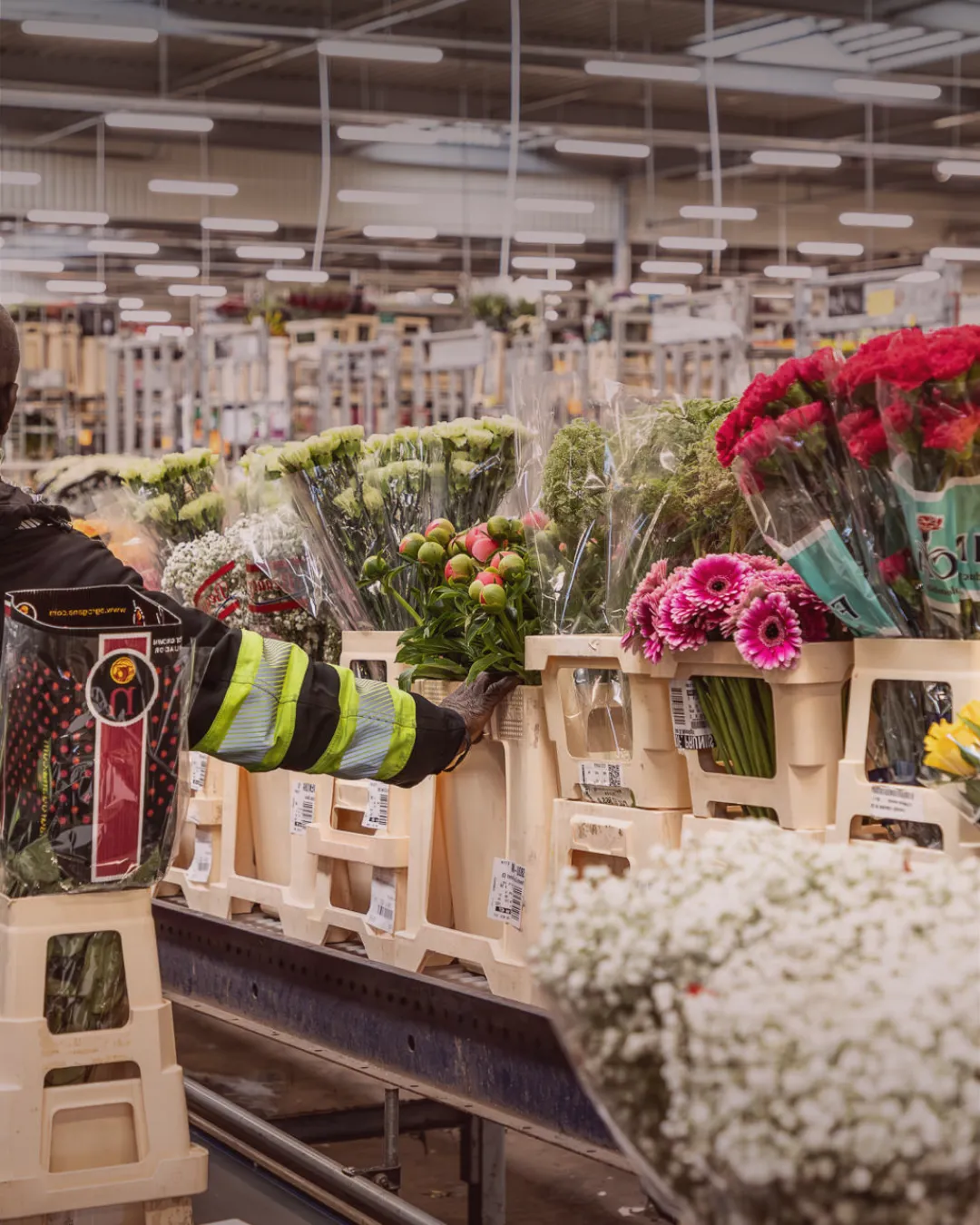
One location may provide material for more than one purpose. Product detail can help buyers while employee interviews and working tasks can support recruitment. Prepare a short brief for each use so that the necessary conversations and footage are captured. Shared footage does not automatically mean a shared message.
Agree which videos you want to produce before the filming day. Discuss the footage, participants and editing needed for each one. What is practical depends on the location, availability and required quality. Arrange factual checks and agreement from the people involved so that the finished material can be used as intended.
What does this mean for your business?
Discuss your plansChoose distribution from the viewer's needs
A website video can help an existing visitor assess a supplier. A film used in a sales conversation can address a particular question. Social posts and advertising can introduce the story to new audiences. Select the combination using the audience, message and evidence you already have about responses.
There is no fixed allocation between Meta, TikTok and YouTube that suits every plant business. Start with uses you can deliver and follow up. Prepare material for those placements and check mobile legibility. More channels also mean more versions, management and evaluation, rather than simply more potential reach.
Make ownership and costs clear
Decide who selects topics, checks information and publishes. Assign responsibility for incoming questions as well. This prevents a film being ready while its destination or contact process remains unfinished. A simple plan with named owners can be more workable than a comprehensive calendar without the capacity to maintain it.
Budget separately for preparation, production, editing, any advertising media and management. Request proposals for the material and uses you actually need. Generic market prices reveal little about the work required for your site and subject. Agree rights, revisions, files and future updates before production starts.
Assess the whole journey
First establish whether the intended audience can find and understand the material. Then review what follows: questions, enquiries, discussions or applications. Sales and HR can explain whether the content improves understanding and expectations. That information will not necessarily appear in an advertising dashboard.
Compare outcomes with the objective chosen in advance. An explanatory video does not need to produce the same immediate result as an advert inviting a meeting. Avoid treating general viewing or return percentages as a fixed standard for every project. The subject, audience and placement provide the context that makes the numbers useful.
Maintain a library you can reuse
Store material clearly and record the uses agreed for it. Identify time-sensitive information. Ranges, employees and working methods can change, so check the footage and message before publishing an older edit again. Reuse only saves work when someone still takes responsibility for accuracy.
Horti Online helps plant businesses connect strategy, content and campaigns. To use video for customers or future colleagues, tell us what you want to achieve and what material you already have. Together we can choose an accurate, practical plan that your team can implement.